
Mold Remediation in Garland, TX
Found mold — or smell it and can’t find it? One call connects you with checked Garland pros who work the Texas way: assessor and remediator separate, containment before removal, and a written scope before work begins.
Get an Assessment
(972) 555-0100Open 24 hours, 7 days a week
- Your call goes directly to the number shown
- The company is named before it is sent
- Written scope before any work begins
Mold is a moisture problem with a visible symptom.
Kill the mold without fixing the water that feeds it, and it grows back. Proper remediation in Texas runs in a set order: find the moisture source, assess the extent, contain the area, remove what’s colonised, clean what’s left, and prove it with clearance testing. And Texas law keeps the company that tests separate from the company that removes — here is how it all works.
Garland Water Restoration is a matching service, not a restoration company, and we say that up front. We connect you with one vetted local company. The company that serves you is named and quoted in writing before work begins.
Six places Garland mold lives
Some mold is a cleaning job. Some is a regulated remediation. The difference is size, material, and what’s feeding it — not just how it looks.
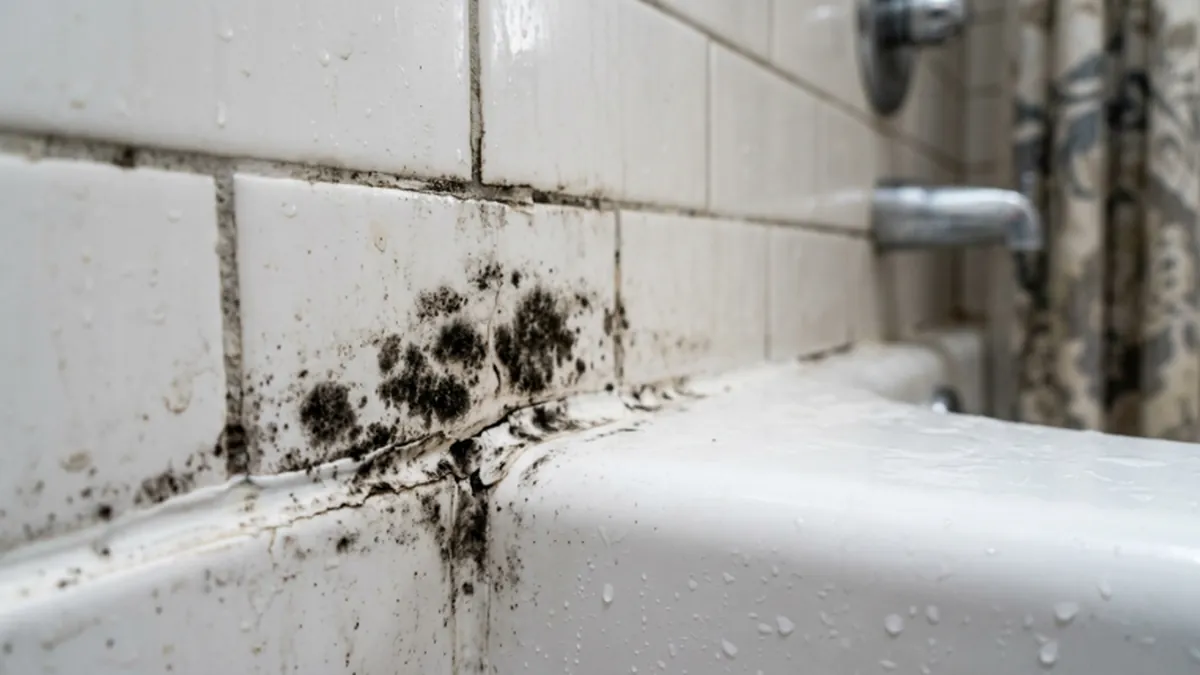
Bathroom Mold
On grout and caulk, mold is usually a surface cleaning job. Behind the tile — fed by a slow shower or tub leak — it is a different job entirely. The test is what’s behind the surface.
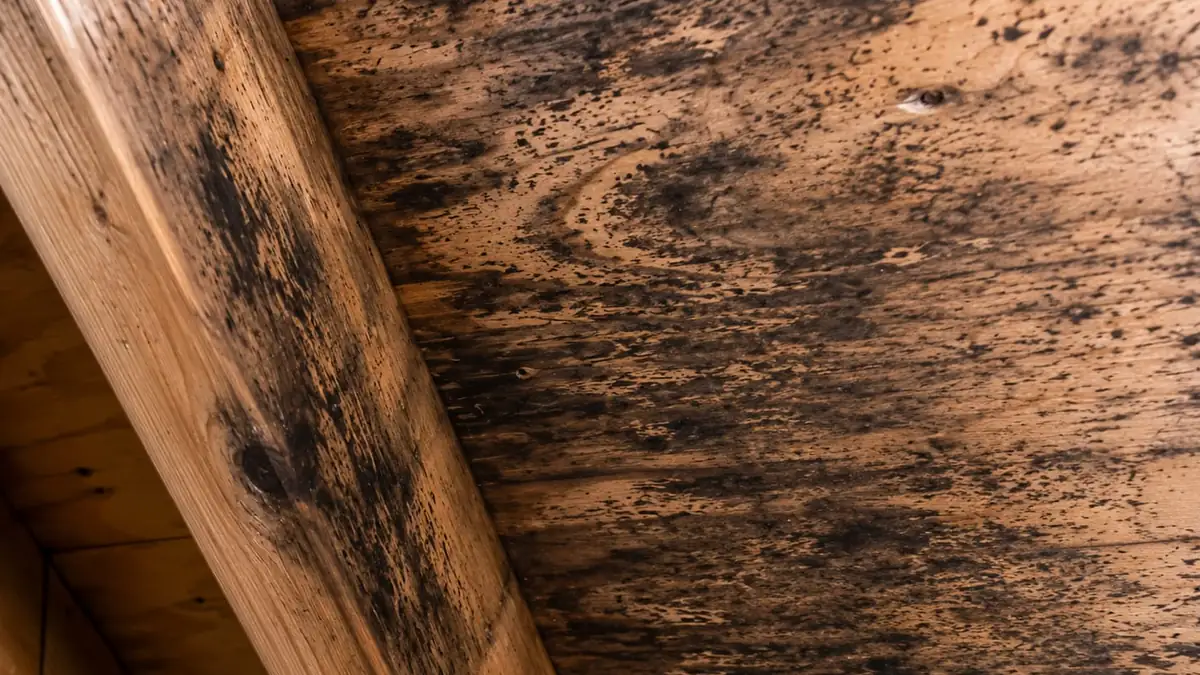
Attic Mold
Slow roof leaks and Texas attic humidity colonise the roof deck from above — invisible from the rooms below until the staining is advanced. The leak gets fixed first, always.
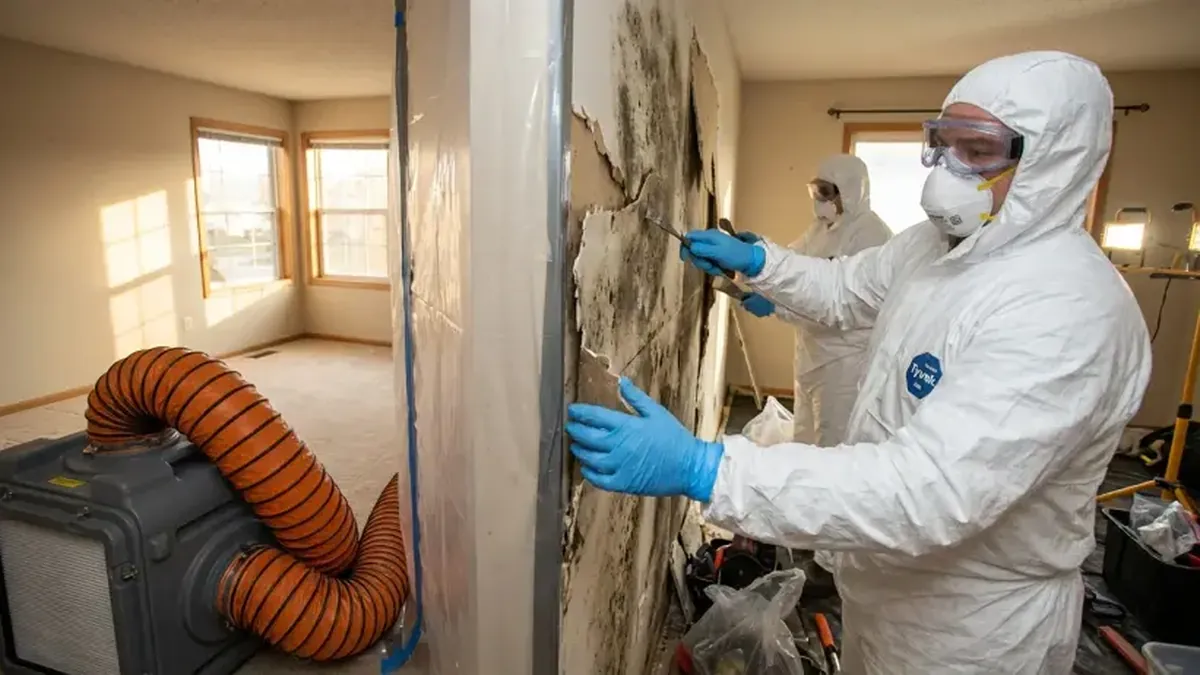
Inside the Walls
The patch you can see is often the edge of what’s growing on the back of the drywall. Assessment establishes the real extent before anyone opens — or charges for — the wall.
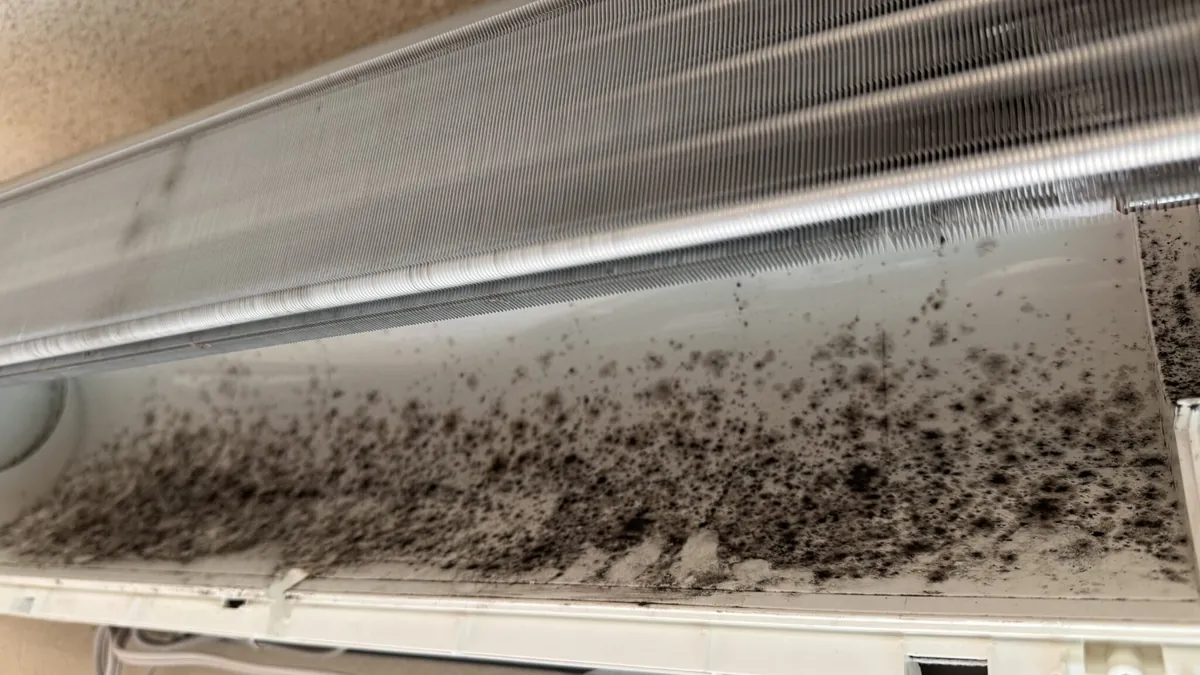
Mold in the AC System
Condensate pans and coils stay wet all summer. Mold there doesn’t stay there — the system can distribute spores through the whole house until the unit is cleaned and the drain fixed.
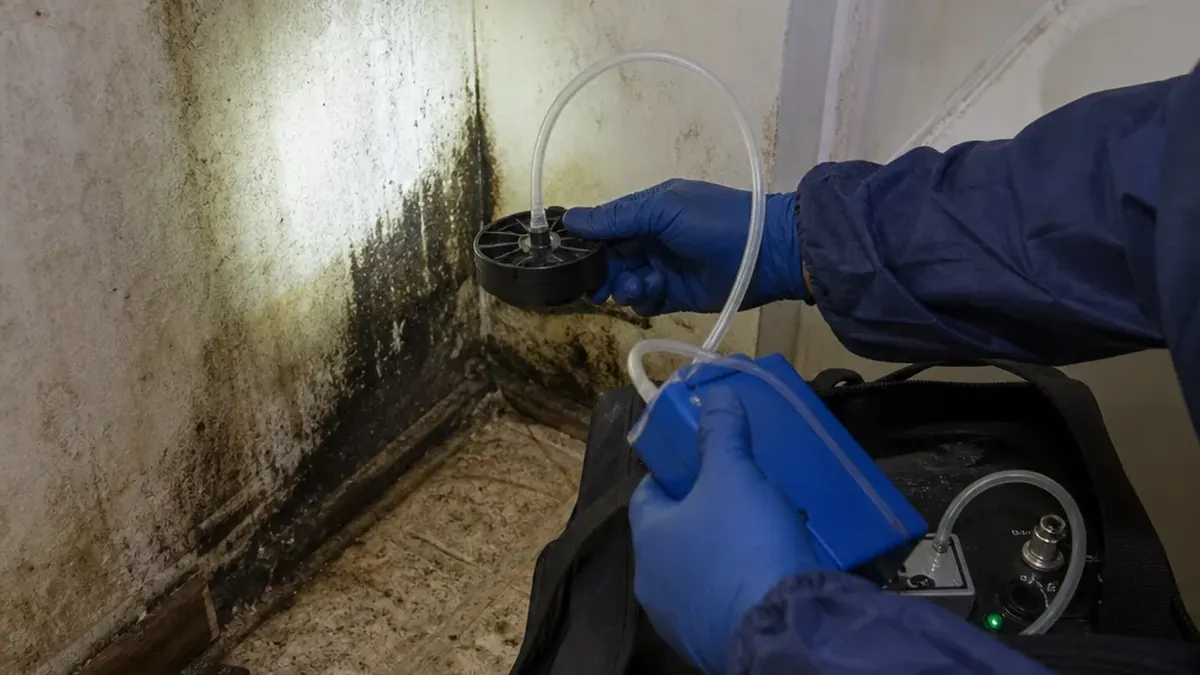
Licensed Assessment
At 25 or more contiguous square feet, Texas law requires a licensed Mold Assessment Consultant — a different firm from the one that removes it. Sampling tells you the extent before money is spent.
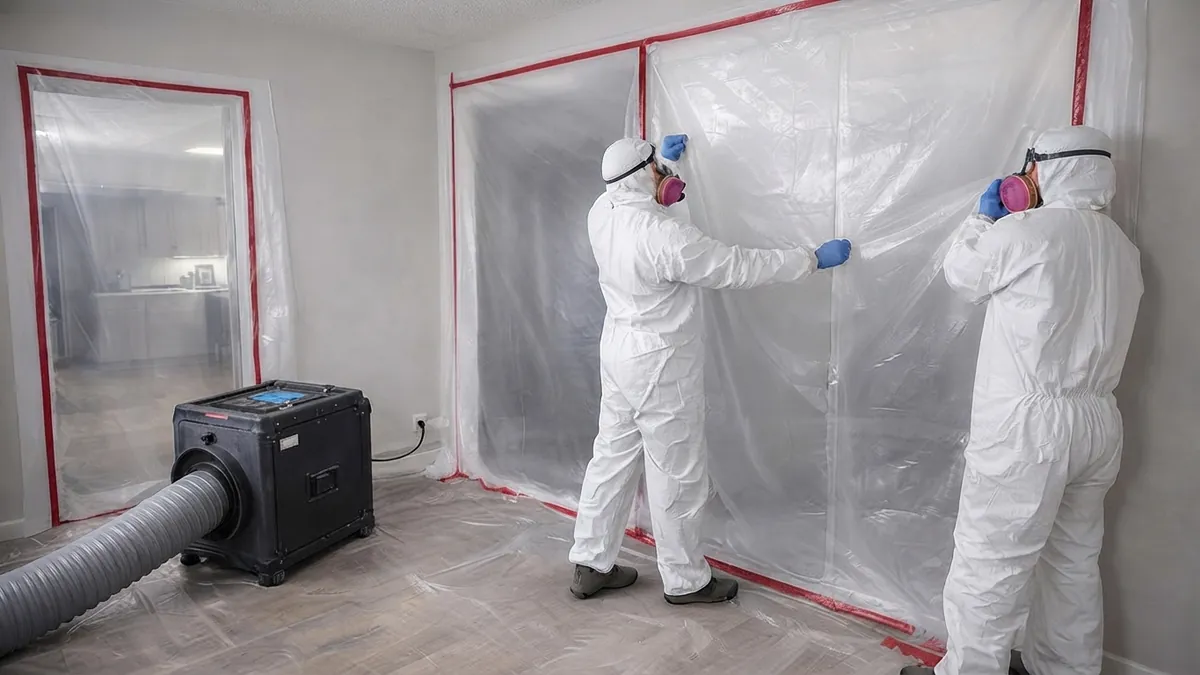
Containment First
Before removal starts, the work area is sealed in plastic under negative air with HEPA filtration. Disturbing mold without containment just moves it into the rooms that were clean.
Scrub it, or remediate it? How we decide
| Factor | A careful DIY clean makes sense | Licensed remediation makes sense |
|---|---|---|
| Size | A few square feet on grout or tile | 25+ sq ft — or growth in more than one room |
| Material | Hard surfaces: tile, glass, metal | Drywall, insulation, wood, carpet |
| The source | Shower steam and surface humidity | A leak you can’t see — or haven’t fixed yet |
| Spread | One visible patch | A musty smell with no visible source |
| The household | Healthy adults, no concerns raised | Babies, elderly residents, anyone with breathing conditions |
| The law | Below the Texas threshold | 25+ contiguous sq ft — TDLR rules apply |
Our commitment: if it’s a small patch on tile and a bottle of cleaner will honestly finish it, we’ll tell you how — free. We would rather earn the big call than invent one.
What we do on every call
- Call the number shown. Describe where the mold is, roughly how much, and what water event came before it.
- The source comes first. If a leak is still feeding the growth, stopping it is step one — remediation over a live leak is money spent twice.
- Assessment, separated by law. At 25+ sq ft, a licensed Mold Assessment Consultant maps the extent — never the same firm that will remove it.
- The companies are named and checked. Licensed where Texas requires it, insured, IICRC-trained — and named to you before anyone is sent.
- Containment before removal. The area is sealed under negative air with HEPA filtration, so the rest of your home stays clean.
- Removal and HEPA cleaning. Colonised porous material comes out; remaining surfaces are cleaned to the assessor’s protocol.
- Clearance proves it. The licensed assessor — not the remediator — tests and confirms the job passed, and you get the paperwork.
What Garland homeowners ask
What mold remediation costs
On regulated jobs you will see two names and two quotes, assessor and remediator. That is not double-charging; it is the Texas conflict-of-interest rule protecting you.
Why Garland calls us first
- We are a matching service — and we say so up front, before you call
- Every company is checked: IICRC, insurance, Texas rules
- A written scope and price before any work begins
- Garland only — local advice, not a call-centre script
- If you do not need a crew, you will be told what to do instead
Water in your home right now?
Call the number shown. The company is named and checked, and the price is in writing before work begins.
Call (972) 555-0100